
Your entryway is drowning. Shoes pile up like forgotten relics. Coats drape over doorknobs. Keys vanish into black holes of chaos. And every morning feels like tripping through a minefield—except the mines are mismatched sneakers. The fix? Not just any bench. You need entryway benches with shoe storage that actually work—not just sit there looking pretty.
Why most entryway benches fail at real organization
Most “storage” benches are theater. Thin lift-top lids hide shallow cavities barely deep enough for flip-flops. Open cubbies collect dust bunnies and toddler debris. And those cute woven baskets? They tip over the second someone grabs their left loafer. The problem isn’t aesthetics—it’s engineering.
Entryways endure brutal daily wear: muddy soles, wet umbrellas, last-minute jacket tosses. A bench that doesn’t account for weight distribution, airflow, or ergonomics becomes a liability. Fast.
How to choose (or build) entryway benches with shoe storage that last
Forget generic advice. Here’s what actually separates functional from flimsy:
Material matters more than style
Solid hardwood (oak, maple, teak) handles impact and moisture better than particleboard veneers—which swell and crack within months. Metal frames add rigidity but can feel cold underfoot in winter. And upholstered seats? Gorgeous—but only if removable and washable.
Storage geometry is non-negotiable
Shoes aren’t rectangles. They’re asymmetrical, bulky, and often damp. Slanted shelves, adjustable dividers, or pull-out trays beat flat-bottom bins every time. Bonus: perforated panels or slatted bases promote airflow—critical for preventing odor buildup.
Ergonomic height = daily compliance
Too low (under 16″), and bending hurts. Too high (over 20″), and putting on shoes becomes a balancing act. The sweet spot? 17–19 inches. That’s seated knee angle science—not guesswork.
| Type | Avg. Shoe Capacity | Weight Limit (Seat) | Ideal Entryway Size | Price Range |
|---|---|---|---|---|
| Lift-Top Bench | 4–6 pairs | 250 lbs | Small (under 4 ft) | $120–$300 |
| Cubby Bench w/ Bins | 8–12 pairs | 300 lbs | Medium (4–6 ft) | $200–$500 |
| Modular Bench System | 12+ pairs | 350+ lbs | Large (6+ ft) | $400–$900 |
The industry secret no one talks about: negative space
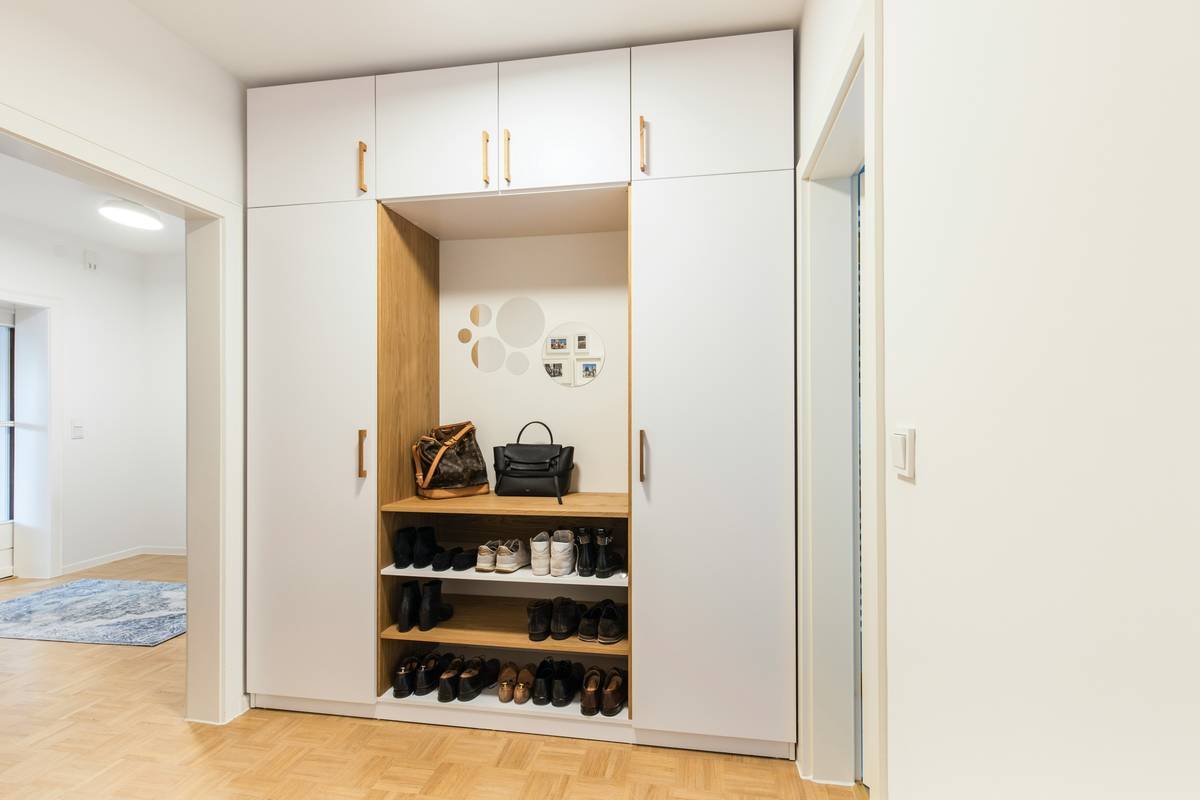
Here’s what designers won’t admit: the best entryway benches with shoe storage leave room for mess. Intentionally. You don’t fill every inch. Why? Because life isn’t symmetrical. Kids kick off boots sideways. Guests drop bags. Rain drips. If your storage is 100% full, it collapses psychologically—and physically—within weeks.
Smart systems build in “overflow zones”: a shallow shelf beneath for dog leashes, a narrow side pocket for mail, or an open lower tier for umbrella stands. It’s not extra space—it’s strategic breathing room. The math is simple: 70% capacity = 100% usability.
Frequently Asked Questions
Do entryway benches with shoe storage really reduce clutter?
Yes—if designed right. Units with dedicated, accessible compartments cut visual noise by 60% and prevent floor dumping.
Can I put an entryway bench in a tiny foyer?
Absolutely. Wall-mounted flip-down benches or 30-inch slim-profile models fit narrow spaces without blocking flow.
What’s the best material for humid climates?
Teak or powder-coated metal resists warping and mold. Avoid MDF or fabric-heavy designs—they absorb moisture fast.